How Fintech and Trade Finance Are Transforming Global Banking in 2026
The global financial landscape is evolving faster than ever before. Traditional banking models, trade finance operations, and payment ecosystems are experiencing rapid transformation driven by technology, digital infrastructure, and changing market expectations. As institutions face growing pressure to improve speed, transparency, and operational efficiency, fintech innovation is emerging as a critical force shaping the future of finance.
From cross-border payments and digital banking to artificial intelligence and compliance automation, financial organizations are no longer operating within conventional boundaries. The industry is entering a new era where collaboration between banks, fintech companies, payment providers, and technology innovators is becoming essential.
Trade finance has long played a central role in supporting international commerce. However, traditional processes often involve manual documentation, delayed verification, fragmented communication, and operational inefficiencies.
Today, businesses and financial institutions are actively moving toward digital trade ecosystems that offer:
Faster transaction processing
Improved transparency
Reduced paperwork and fraud risks
Enhanced operational efficiency
Better visibility across global supply chains
Digital documentation, real-time verification, and connected financial infrastructure are helping organizations modernize trade finance operations while improving customer experience and reducing administrative burden.
Fintech Is Reshaping Financial Services
Fintech innovation is no longer limited to start-ups disrupting traditional banking. It has become an essential part of mainstream financial services.
Banks and financial institutions are increasingly adopting:
AI-driven risk intelligence
Embedded finance models
Compliance
Data-driven customer engagement tools
These technologies are helping institutions improve decision-making, manage compliance more effectively, and respond to rapidly changing market demands.
Perhaps most importantly, fintech is creating opportunities for stronger collaboration between traditional financial institutions and technology providers.
automation
Real-time payment systems
Cloud-based financial infrastructure
Cross-Border Payments and Infrastructure Evolution
Global commerce depends heavily on efficient payment systems. Yet cross-border transactions continue to face challenges such as settlement delays, regulatory complexity, and rising operational costs.
As a result, financial institutions are exploring new approaches to payment infrastructure, including:
Real-time settlement systems
Smart payment routing
Digital payment networks
API-enabled banking solutions
Tokenized financial models
The goal is clear faster, safer, and more efficient international financial transactions that support global business growth.
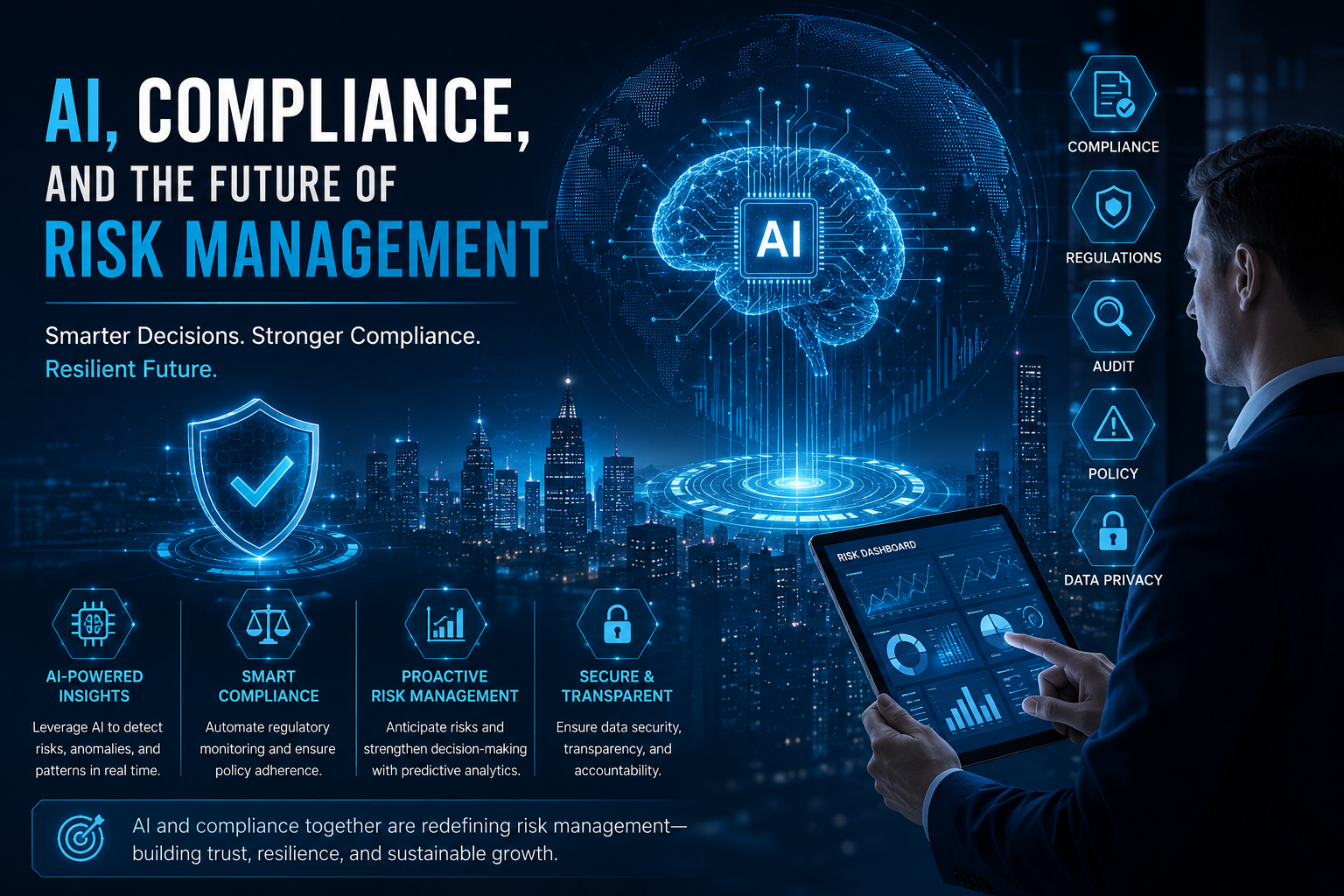
AI, Compliance, and the Future of Risk Management
Regulatory compliance remains one of the most significant challenges within financial services. Anti-money laundering (AML), Know Your Customer (KYC), and fraud detection requirements continue to become more demanding.
Artificial intelligence is increasingly helping organizations address these challenges by:
Automating compliance workflows
Improving fraud detection
Strengthening risk analysis
Enhancing monitoring capabilities
Supporting smarter regulatory reporting
Rather than replacing financial expertise, AI is becoming a strategic tool that enables institutions to manage complexity with greater confidence and accuracy.
Why Industry Collaboration Matters
As finance becomes increasingly interconnected, success depends not only on technology adoption but also on access to market intelligence, strategic partnerships, and industry insight.
This is why dedicated industry forums and executive events continue to play an important role in shaping business strategy. They provide a platform where financial leaders, fintech innovators, payment specialists, and technology providers can exchange ideas, benchmark best practices, and explore new opportunities for growth.
At Mon Bien Group, we believe that meaningful industry engagement creates stronger businesses and more informed decision-making. By bringing together professionals across banking, fintech, and financial infrastructure, we help create environments where innovation, knowledge, and business relationships can thrive.
As the financial world continues to transform, organizations that embrace innovation and remain connected to industry developments will be better positioned to lead the next generation of global finance.