Medical Device Summits 2026 in Europe | Regulatory & Biocompatibility Conferences
Introduction to Medical Device Regulatory & Biocompatibility Conferences
Medical Device Summits 2026 have become increasingly important for all professionals involved in the medical device industry across Europe and beyond. In an era of tightening regulatory frameworks and evolving global standards, attending the leading Medical Device Conference 2026 on regulatory & biocompatibility strategy is crucial for compliance, innovation, and successful market access.
These high-level summits congregate regulatory authorities, notified bodies, risk experts, toxicologists, and manufacturers to confront the most critical issues facing the industry — ranging from compliance with the EU MDR to the biological evaluation of medical devices per ISO 10993, the integration of AI, and the demands for sustainability.
Why Medical Device Regulatory & Biocompatibility Conferences Matter in 2026
2026 is a turning point year for the global medical device industry. With heightened regulatory scrutiny, expanding compliance requirements, and unprecedented challenges in technology and documentation for manufacturers, attending aMedical Device Regulatory Conference Europe in 2026 is no longer optional; it is imperative.
EU MDR Enforcement Pressure
The enforcement of the EU Medical Device Regulation (MDR) continues to impact the European device market in full effect. Notified body capacity remains limited, technical documentation requirements have increased, and post-market surveillance requirements have become more stringent.
Manufacturers are now required to show:
Robust clinical evaluation reports (CERs)
Comprehensive risk management files aligned with ISO 14971 risk management
Updated biological evaluation documentation
Continuous PMS and PMCF strategies
AMedical Device Conference 2026devoted to EU MDR delivers real-world guidance on audit readiness, documentation remediation, and communication with Notified Bodies. Regulatory Affairs teams need to be familiar with not only the legislation but also the interpretation trends arising from assessments and joint audits.
While Europe increases regulatory enforcement, the FDA is developing its standards in the area of biological safety evaluation, placing a stronger focus on chemical characterisation, extractables & leachables, and toxicological risk assessment.
The FDA now expects:
Justified material characterization strategies
Advanced toxicological risk assessments
Strong alignment with the latest ISO 10993 Conference discussions
Scientific rationale for test omission
Leading Biocompatibility Conference 2026 will provide the highest level of technical insight into evolving trends in FDA reviews and help you create smarter test plans and avoid regulatory delays.
ISO 10993-1 Revision & Biological Evaluation Evolution
One of the most significant changes facing manufacturers is the continuous evolution of ISO 10993-1, which now more strictly enforces the following:
Biological evaluation based on risk.
An emphasis on chemical characterisation rather than on animal testing
Integration with toxicological risk assessment.
Evaluation Strategy Based on the Lifecycle Model
An ISO 10993 Conference in 2026 will clarify how to interpret the revisions, address implementation issues, and align with global regulators. Companies that do not comprehend these changes will risk incomplete submissions, requests for additional testing, and costly delays.
Risk management is no longer a ‘tick the box’ exercise. Regulators expect end-to-end risk frameworks embedded in the product lifecycle.
In compliance with ISO 14971 risk management requirements, the manufacturer is obliged to:
Connect risk controls directly back to the verification data.
Show benefit-risk justification
Incorporate post-market data into risk files
Align risk management with clinical evidence
AMedical Device Risk Management Summitin Europe equips professionals with advanced methodologies for hazard analysis, usability risk assessment, and software risk integration, which is particularly pertinent in the era of proliferating digital medical devices.
ISO 14155 & Clinical Evaluation Requirements
Clinical evidence has become a cornerstone of regulatory approval. The requirements for ISO 14155 clinical evaluation are increasingly under scrutiny for higher-risk devices and novel technologies.
Regulators now assess:
Design quality of clinical investigations
Endpoint justification
PMCF Alignment
Openness of data
A Medical Device Conference 2026 focused on clinical safety ensure that manufacturers understand how to align CERs, risk files, and clinical data into a cohesive regulatory strategy.
Sustainability & PFAS Regulation Impact
Sustainability is not a ‘nice to have’ — it is a ‘have to’. PFAS regulations are progressing in Europe, and environmental compliance is becoming an integral part of product lifecycle management.
Manufacturers must now consider:
Material substitutions
Supply chain traceability
Environmental impact disclosures
ESG reporting alignment
Attending a Medical Device Regulatory Conference Europe allows companies to anticipate material restrictions and build compliant design strategies before enforcement escalates.
Artificial intelligence and digital health integration are transforming the medical device industry, though the regulatory landscape is still evolving.
Key regulatory focus areas include:
AI validation and algorithm transparency
Software lifecycle documentation
Cybersecurity risk management
Data governance compliance
The Medical Device Summits 2026 have an eye on these digital issues and will ensure that medical device manufacturers keep up to date with the European and global regulatory environment.
Upcoming Medical Device Summits 2026
This flagship medical device conference, 2026, is Europe’s leading biocompatibility summit, bringing together regulatory affairs leaders, risk & safety professionals, toxicologists, clinical specialists, and medical device manufacturers.
The summit provides strategic and technical insight into biological evaluation, ISO updates, EU MDR compliance, extractables & leachables strategy, and risk management integration. Designed for senior-level professionals, the event delivers practical case studies, regulator insights, and cross-functional collaboration opportunities.
The Medical Device Summits 2026 are intended for decision-makers and technical leaders across the entire medical device lifecycle, such as the following:
Regulatory Affairs Directors
Leaders in Quality and Compliance
Biocompatibility & Toxicology Experts
Clinical Evaluation Specialists
Insurance Specialists
Notified Body Representatives
Research and Development Heads
Manufacturers of Medical Devices
If you are navigating EU MDR, ISO 10993 updates, or global regulatory harmonisation, this Medical Device Regulatory Conference Europe provides critical insights.
Key Topics Covered
ISO Standards & Global Regulatory Alignment
Get a handle on how EU MDR, FDA expectations and global harmonization initiatives interplay. Obtain clarity on the strategies for ISO standard implementation and the trends in regulatory interpretation.
Biological Evaluation & ISO 10993 Updates
Explore the most recent updates to ISO standards, methodologies for risk-based assessments, chemical characterisation approaches, and best practices for biological risk assessments as presented in the sessions of the premier ISO 10993 Conference.
Extractables & Leachables Strategy
Identify advanced analytical techniques, toxicological risk modelling and regulatory submission expectations for minimising regulatory review delays.
Toxicology & Risk Assessment
How to incorporate toxicological thresholds, margin of safety, and lifecycle risk assessment into your biological evaluation report.
Clinical Safety & ISO 14155
Conduct clinical investigations to meet regulatory expectations according to ISO 14155 clinical evaluation and robust post-market clinical follow-up.
AI & Digitalisation in Medical Devices
Address AI validation, software lifecycle compliance, cybersecurity risk frameworks, and regulatory documentation best practices.
Combination Products & Drug-Device Strategy
Navigate regulatory pathways for drug-device combinations and cross-agency alignment strategies.
Global Market Access & Regulatory Harmonisation
Understand regional regulatory nuances and develop harmonised global submission strategies.
FAQs
What are the key medical device regulatory updates in 2026?
Important developments include stronger enforcement of EU MDR, more FDA scrutiny on chemical characterisation, impacts from the recent revision to ISO 10993-1, and increased attention to sustainability and PFAS compliance.
How does the ISO 10993 revision impact the biological evaluation?
The revised standards place greater emphasis on risk-based biological evaluation, chemical characterisation, and minimising animal testing. Attendance at an ISO 10993 Conference in 2026 will aid manufacturers in understanding the interpretation and implementation of these revised standards.
What is the difference between EU MDR and FDA requirements?
While the EU MDR places significant attention on clinical evaluation throughout the device lifecycle and on post-market surveillance activities, the FDA focuses its scrutiny on the determination of substantial equivalence and the scientific rationale underlying biological evaluations. A Medical Device Regulatory Conference Europe can offer insights into comparative regulatory practices.
Why attend a medical device biocompatibility conference?
A Biocompatibility Conference 2026 offers updated regulatory guidance, toxicology best practices, and implementation strategies for ISO standards — reducing submission delays and audit risks.
Who should participate in a medical device risk management summit?
Risk Managers, Regulatory Affairs Directors, Quality leaders, R&D Heads and Clinical Safety Professionals looking to improve risk integration throughout the product lifecycle should benefit from attending a Medical Device Risk Management Summit.
How do AI regulations impact medical devices in 2026?
AI-enabled devices are encountering heightened scrutiny over aspects such as validation, transparency, cybersecurity, and algorithm updates. A leading Medical Device Conference 2026 is addressing these issues through discussions on regulatory pathways and compliance frameworks.
What role does ISO 14971 play in regulatory submissions?
ISO 14971 risk management forms the backbone of regulatory compliance by demonstrating systematic hazard identification, control measures, and benefit-risk justification through all phases of the product lifecycle.
TESTIMONIALS
What People Say About Us
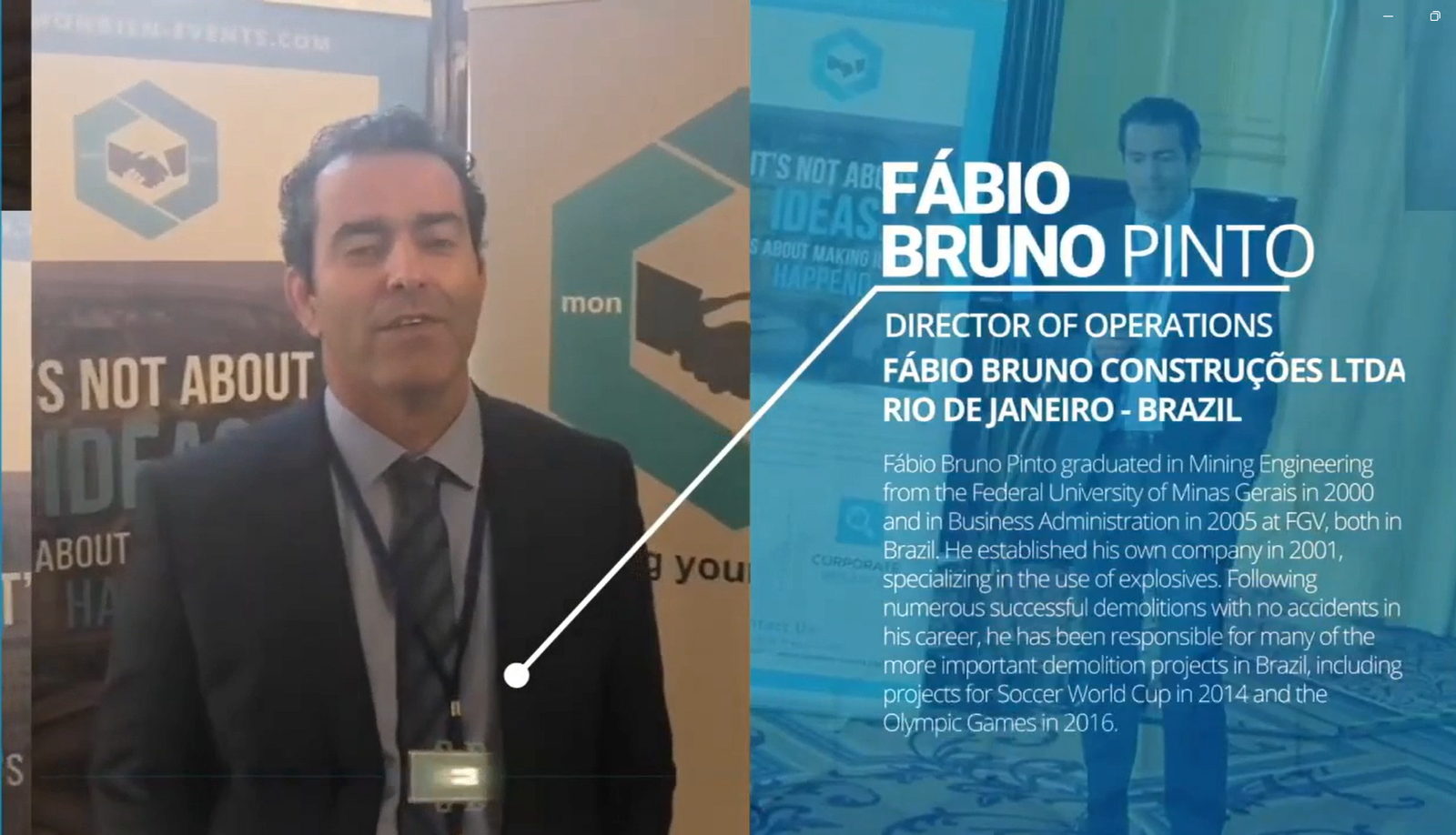
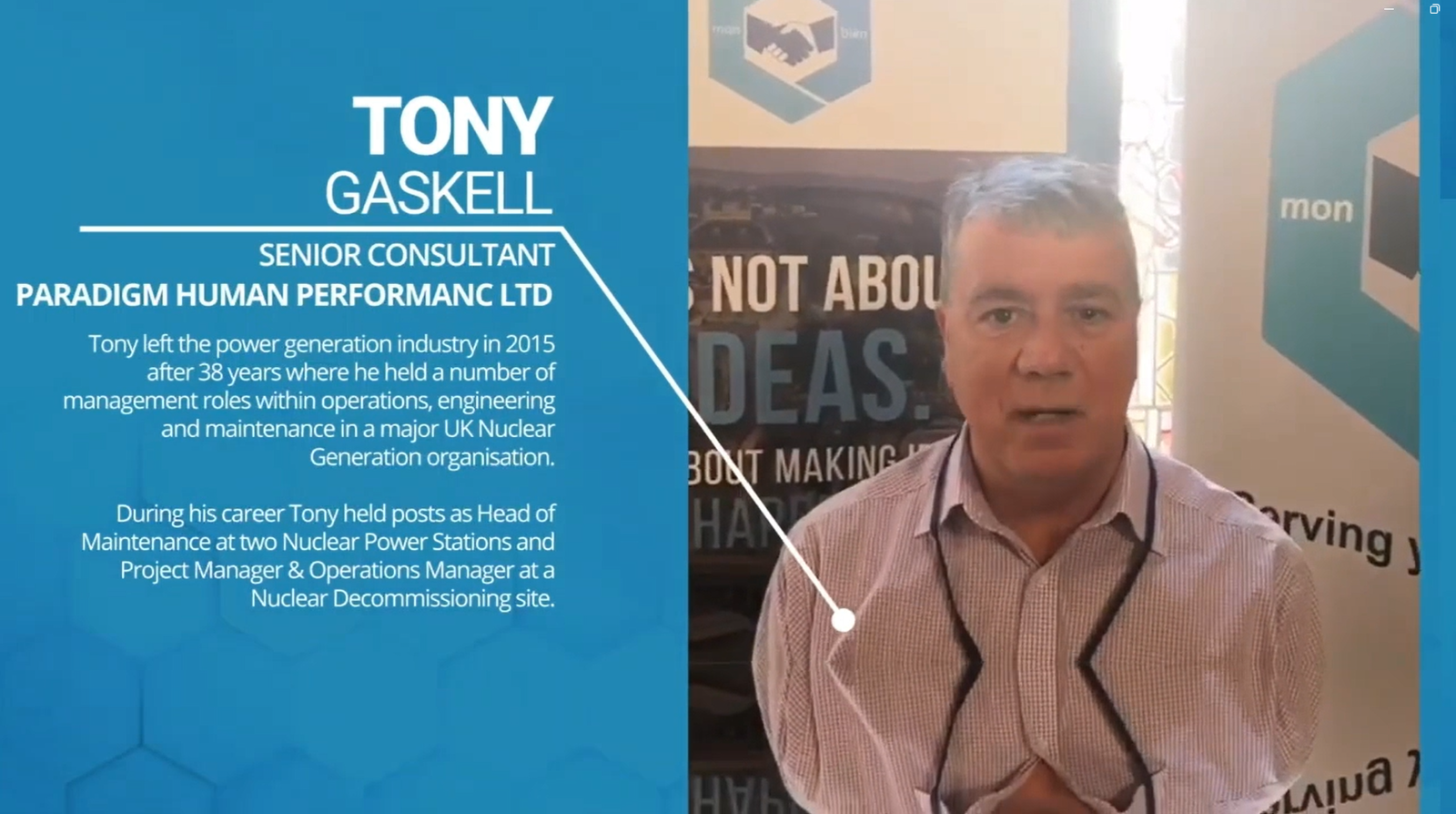
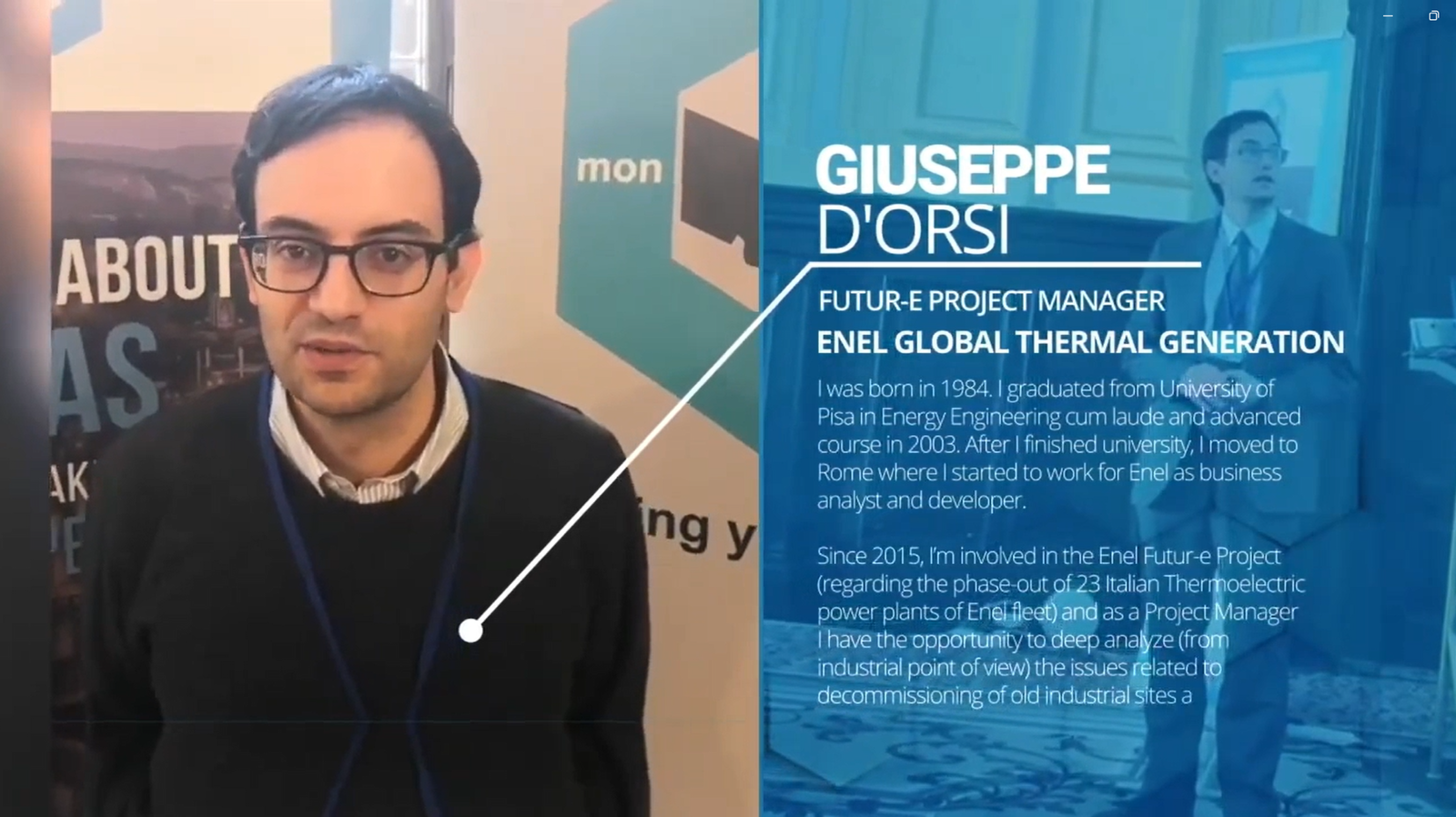
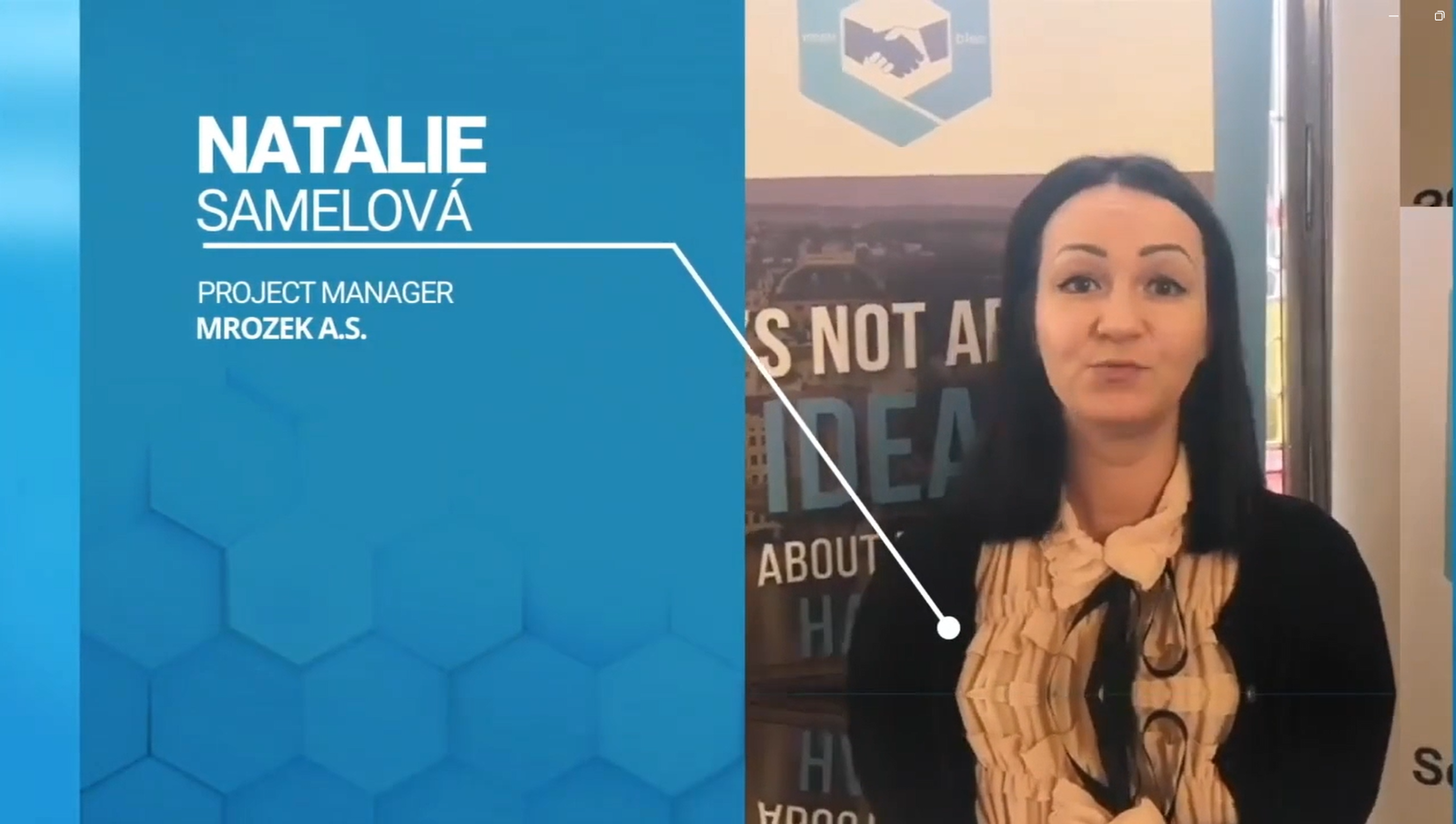
Our clients share their experiences – honest feedback that reflects trust, impact, and satisfaction.