Power Plant Decommissioning in Europe: Process, Costs, Technologies & Industry Events
Decommissioning power plants in Europe refers to the process of retiring, dismantling, and remediating power generation sites—from coal plants to nuclear reactors—in a planned way to reuse land and materials or make them safe. This guide describes power plant decommissioning in Europe, how and when various plants are decommissioned, and what strategies, costs, and timelines are used, as well as Germany’s role in decommissioning nuclear power plants, Germany decommissioning nuclear power plants developments, new technologies, and major industry events for professionals.
What Is Power Plant Decommissioning?
Definition of Power Plant Decommissioning
Decommissioning is the formal process of permanently retiring a power plant, removing its equipment, dismantling its structures, managing its waste and restoring the land. In the case of nuclear sites, it also involves defuelling, radiological cleanup and long-term waste storage — essential steps in decommissioning nuclear power plants in Germany, where strict safety regulations apply.
Why Power Plants Are Decommissioned
Power plants are retired for a variety of interrelated economic, technical and environmental reasons. As facilities age, their infrastructure deteriorates, and continued operation becomes less feasible and increasingly expensive.
In addition, older plants cannot be upgraded to comply with newer industry standards and stricter safety regulations without expensive fixes. This has been especially true when viewed in light of newer technologies that are more efficient; often, the operational costs outweigh the benefits. Also, international and domestic energy transition goals incentivise nations to decrease reliance on fossil energy sources, expedite coal phase-outs, and implement cleaner and more sustainable energy systems. All these factors render retirement the most viable long-term solution.
Includes all activities to take the reactor offline, remove spent fuel, conduct radiological surveys, decommission reactor systems, package radioactive waste and restore the site — a process central to Germany nuclear power plant decommissioning programs.
Coal-Fired Power Plant Decommissioning
Work includes shuttering boilers, turbines and stacks; soil remediation; ash and slag disposal; and demolishing large structures.
Renewable & Solar Plant Decommissioning
Focuses on panel removal, recycling of metals/glass/silicon, cable removal and land restoration.
How Long Do Nuclear Power Plants Last?
Average Operational Life
Most nuclear power plants have a lifespan of 30-60 years, and some of them work even longer if they go through major upgrades and receive licence extensions.
Factors That Impact Plant Longevity
Reactor design: The design and engineering of the reactor core, reactor materials and architecture will determine how well a plant can endure decades of thermal, mechanical and radiation stress.
Safety upgrades: Continual improvements, such as enhanced containment structures, upgraded control systems, and advanced monitoring equipment, help plants maintain safety standards and extend their service life.
Economic performance: High maintenance, repair or fuel costs may lead to an early closure of the plant since operating a plant must be economically viable in order to continue operating.
Regulatory policies: Government rules and licensing frameworks determine the extent to which plants can continue to operate beyond their designed age and often require extensive inspection and compliance with regulations.
Maintenance practices: Routine maintenance, replacement of components, and predictive maintenance can greatly affect the potential for safely extending the life of a nuclear plant.
How Are Nuclear Power Plants Decommissioned?
Step-by-Step Decommissioning Process
These are the three internationally recognised strategies:
Immediate Dismantling (DECON): This strategy begins immediately upon shutdown of the plant. All radioactive equipment, components, and inner structures are removed. Decontamination is done to reduce radiation levels, and dismantling continues until the site can be reused or released for other uses. DECON enables faster completion but requires a larger initial workforce, resources and radiation protection.
Deferred Dismantling (SAFSTOR): In this way, the plant is placed in an uninterrupted, continuous monitoring storage environment for many decades. The decay of radioactivity occurs during this time, reducing the risks for future destruction by radioactivity. The site is inspected and monitored until final decontamination and demolition commence. SAFSTOR could also be cheaper and more financially viable because of lower levels of radiation over time.
Entombment (ENTOMB): entombment of radioactive systems or structures in a temporary, protective barrier such as reinforced concrete. The entombed facility is maintained and monitored until the radioactivity falls to safe levels for unrestricted release.
The demobilisation is instant: usually 10-30 years.
Deferred dismantling: 50+ years of storage, total end-state sometimes 80–100 years, sometimes 80–100 years.
Complex, legacy buildings can last over decades or generations.
Cost of Decommissioning Power Plants
Nuclear Decommissioning Cost Factors
Costs differ across a wide range of factors but are influenced by:
Reactor type & size Larger reactors and complex designs require more specific dismantling, heavy equipment, and more project timeliness, while larger reactors and complex designs require higher cost-performance.
Level of radioactive contamination Increased radioactive contamination demands extensive protection, specialist staff, and other waste-handling procedures; the costs of more protection and more staff are substantially increased.
Waste disposal options Waste disposal costs are governed by transport needs, availability of disposal facilities, long-term storage requirements and compliance with the radioactive waste regulations.
Safety requirements More radiation protection systems, monitoring systems and strict safety procedures add to the complexity and financial investment in projects.
Labour, equipment and contractor availability Work, equipment and contractor availability are limited. Specialised nuclear decommissioning contractors and skilled staff can be recruited, and they cost a lot of money.
Strategy chosen (DECON vs SAFSTOR) Drained dismantling (DECON versus SAFSTOR) is less expensive upfront than deferred dismantling, which is cheaper over time but can increase maintenance and monitoring costs.
Challenges & Problems in Decommissioning
Germany completed its nuclear shutdown in 2023 and now runs one of the world’s largest nuclear decommissioning portfolios. Specifically, policy lines related to this include safety rehabilitation after Fukushima, public opposition to nuclear power, and renewable energy-orientated Energiewende.
Coal Power Plant Decommissioning Costs
Costs depend on ash pond remediation, soil cleanup, demolition, recycling and repurposing of land.
Challenges & Problems in Decommissioning
The most pressing problems include:
Long-term radioactive waste management
High cost and financing uncertainty
Risks to safety and worker exposure
Regulation delays and complicated permits
Special contractors are scarce.
Why Germany Is Shutting Down Nuclear Plants
The complete nuclear phase-out of Germany was conceived as a long-term waste management, political consensus, safety, and renewable growth initiative. This overarching policy explains why is Germany decommissioning nuclear power plants, including climate goals and public acceptance issues.
Europe’s Energy Transition & Decommissioning Growth
Coal closures and ageing reactors across Europe have fueled strong demand for expertise, specialised services, and new technologies in demolition, dismantling, and waste processing.
Global Examples of Decommissioned Nuclear Power Plants
Examples include:
San Onofre, Diablo Canyon, Humboldt Bay, Pilgrim, Oyster Creek, Vermont Yankee, Zion, USA
Chernobyl (Ukraine)
Ignalina (Lithuania – EU)
These are examples of different schedules, waste strategies and cost variables of Lithuania in Europe.
Power Plant Decommissioning Services & Contractors
Competitors include:
Engineering & environmental consultants
EPC contractors and demolition specialists
Radiation protection experts
Waste transport and waste removal companies.
The robotic dismantling and inspection services are specialised in robotic demolition and inspection.
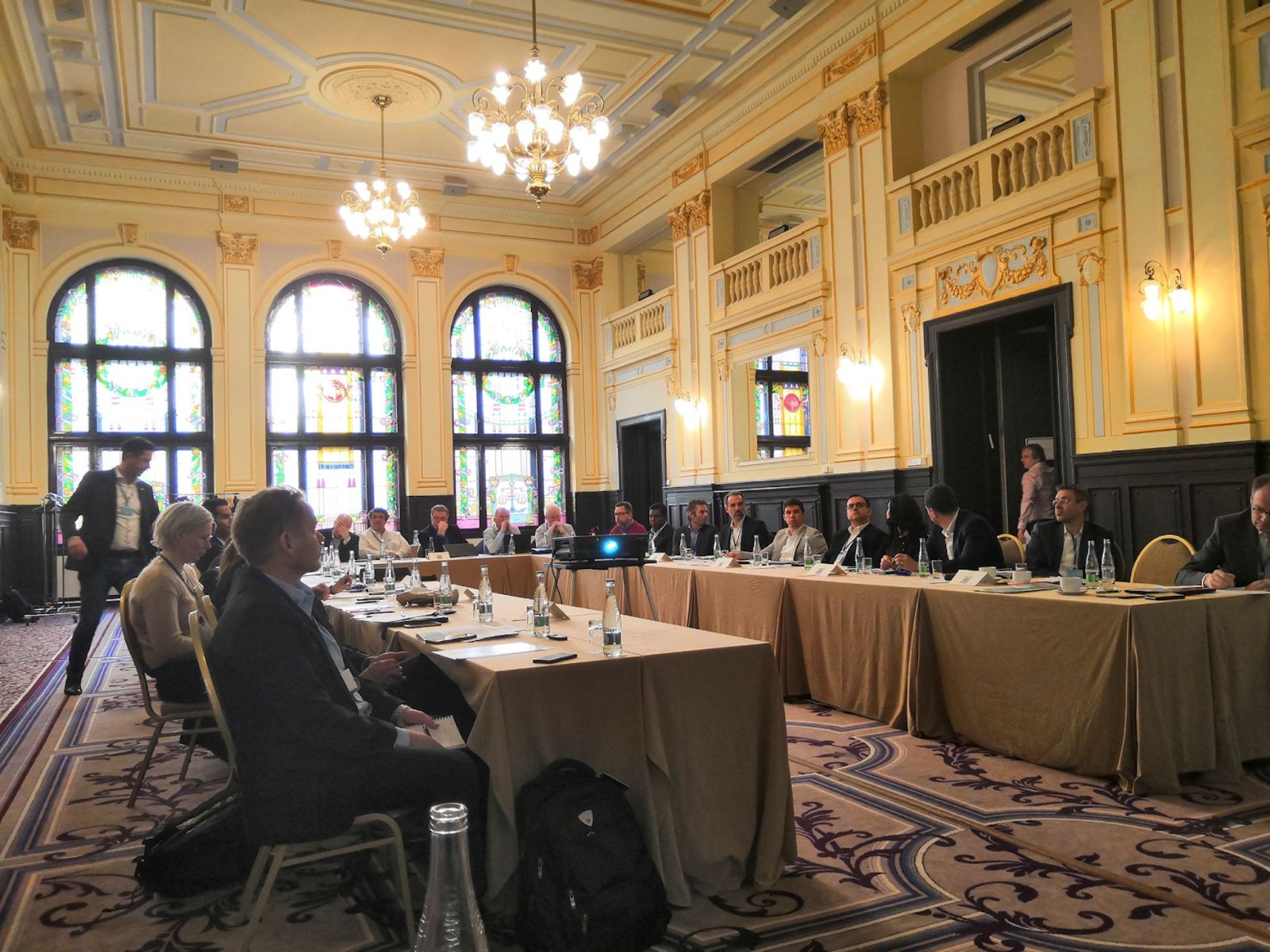
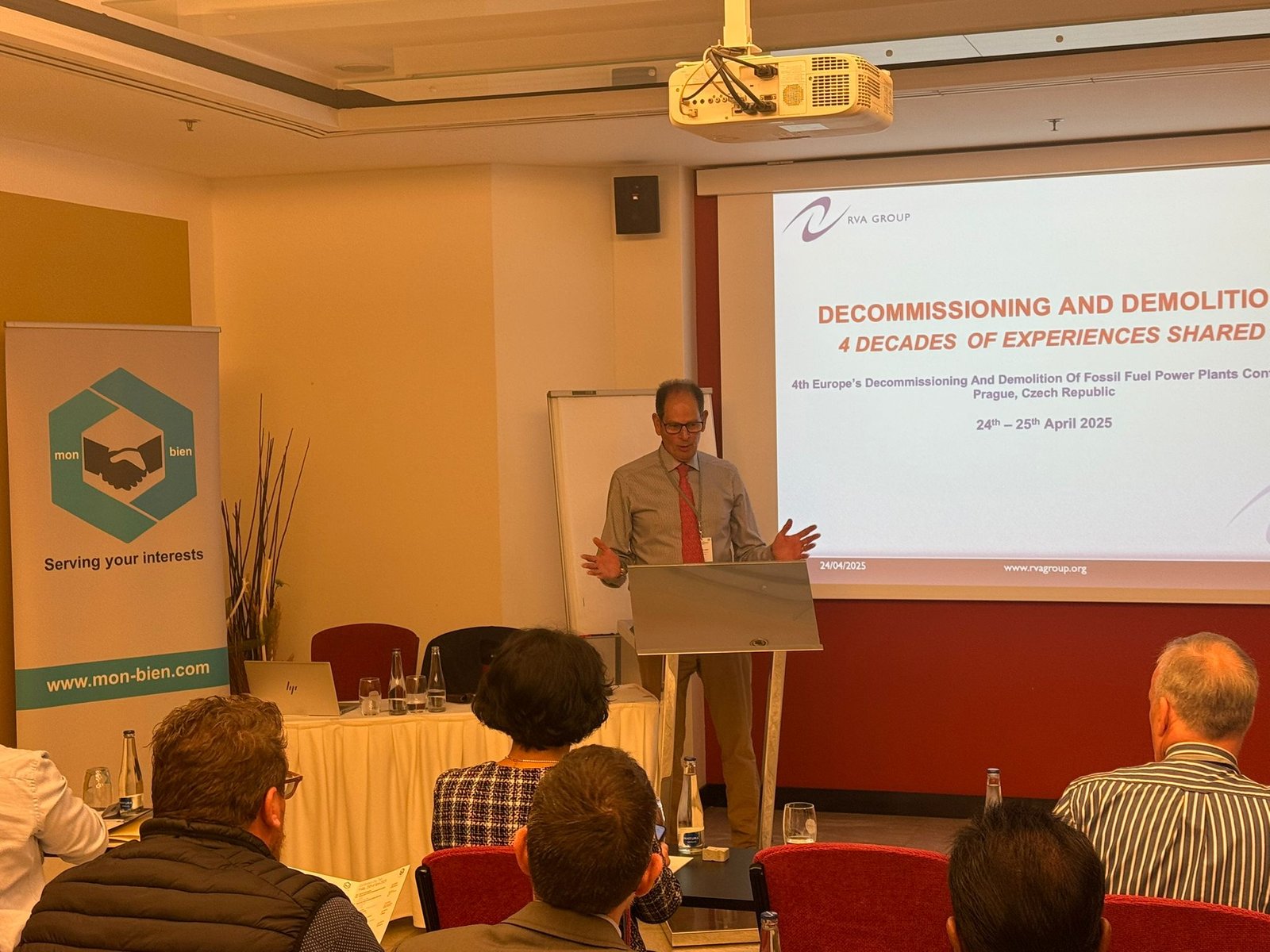
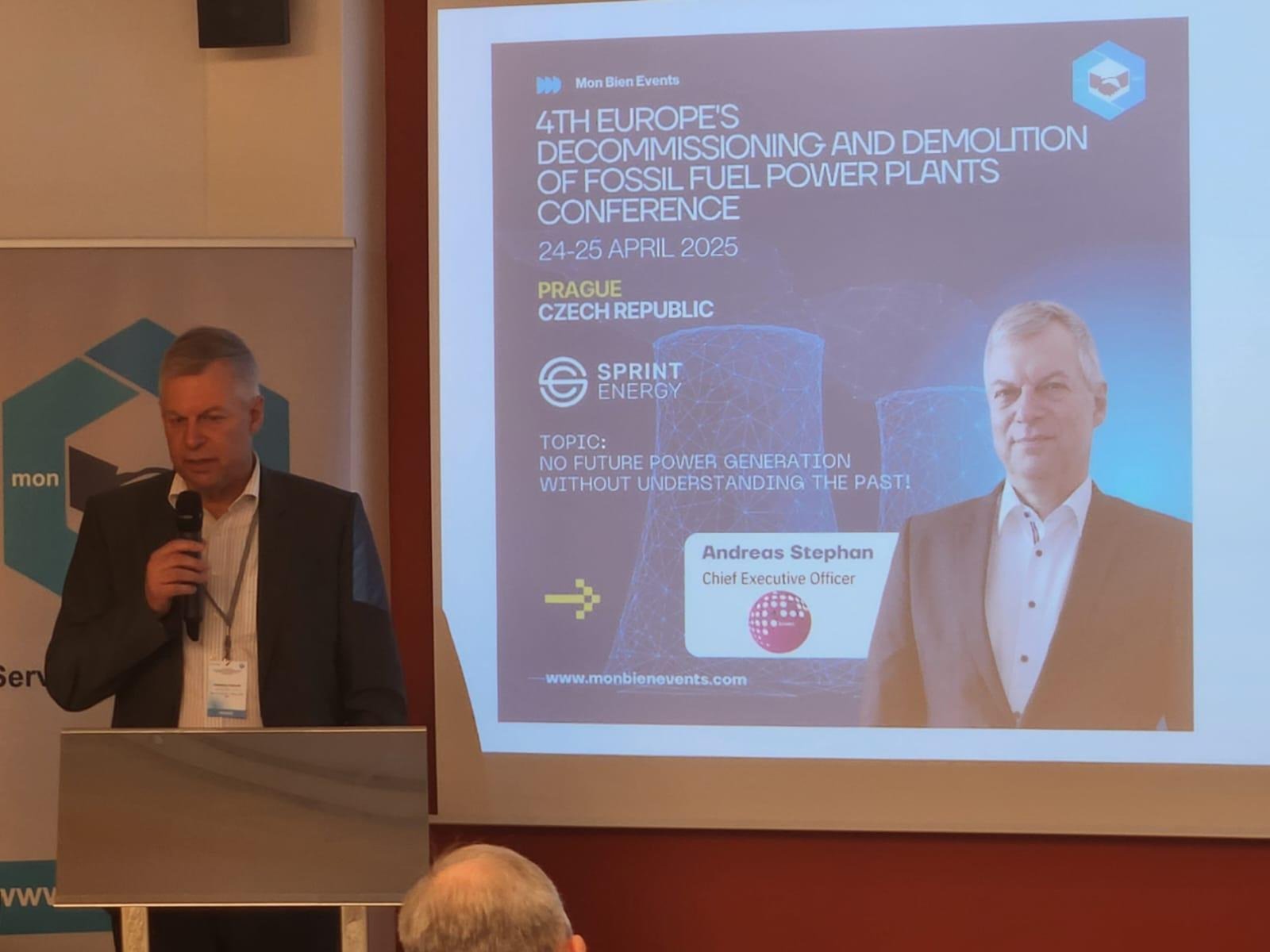
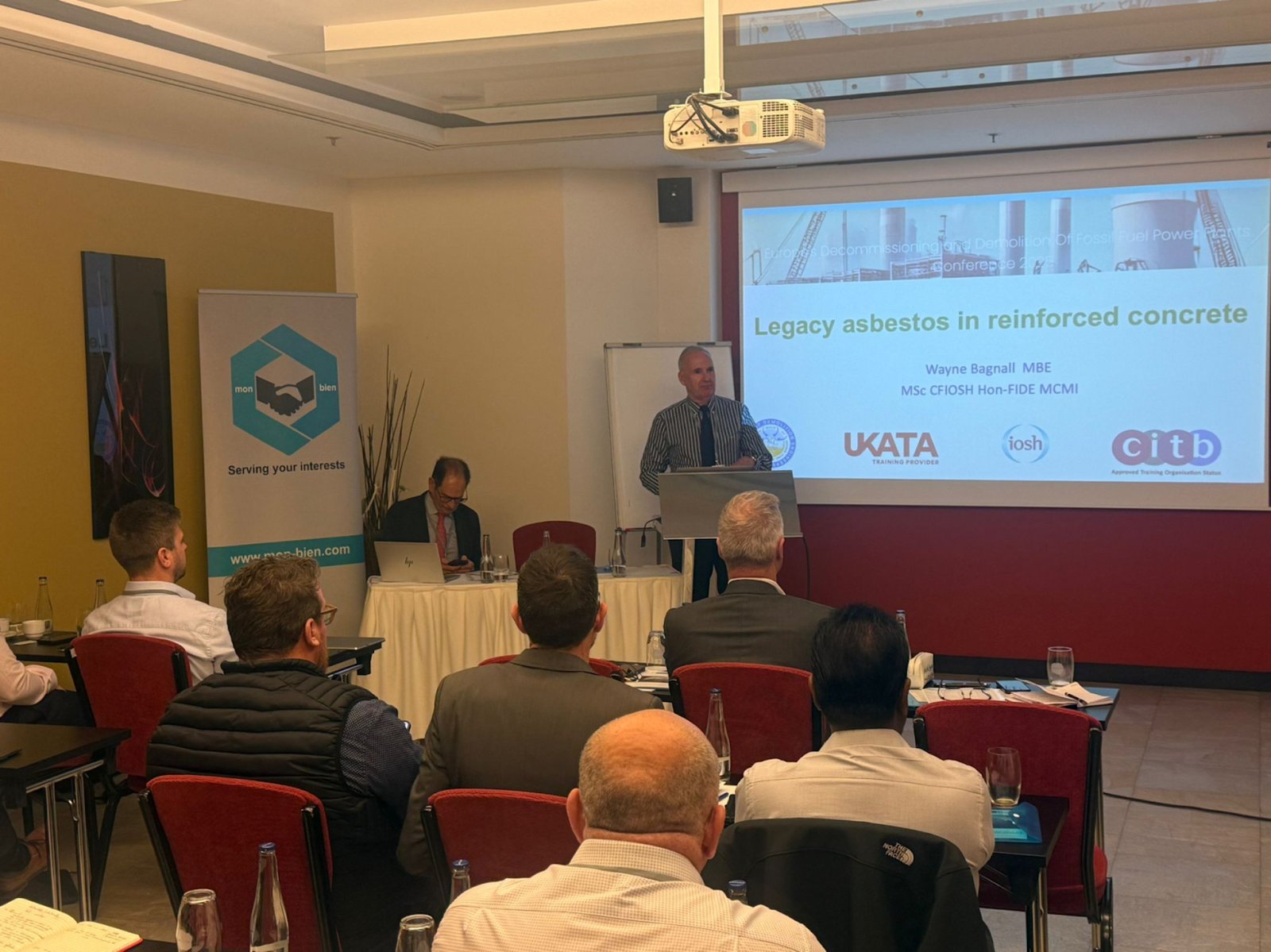
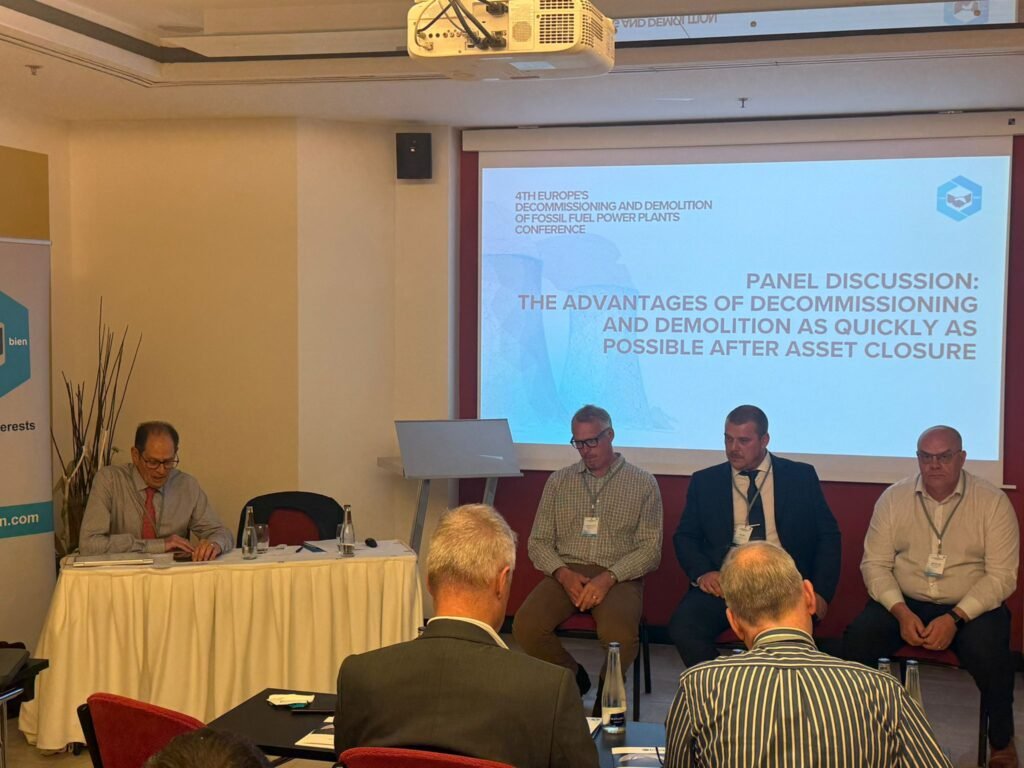
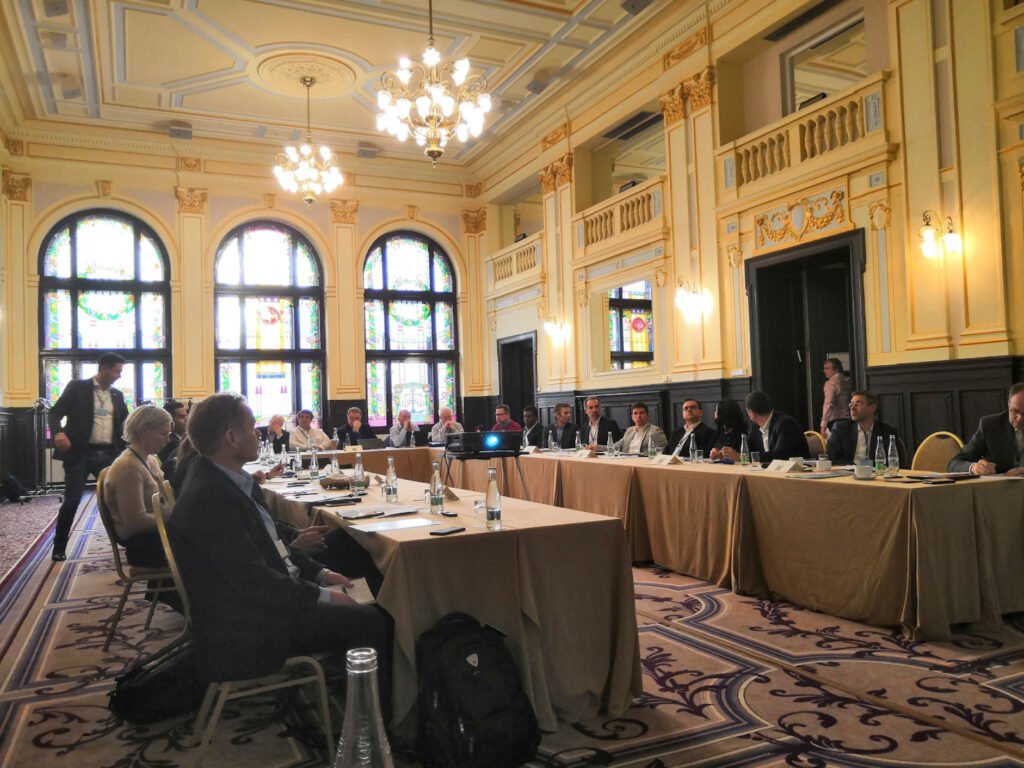
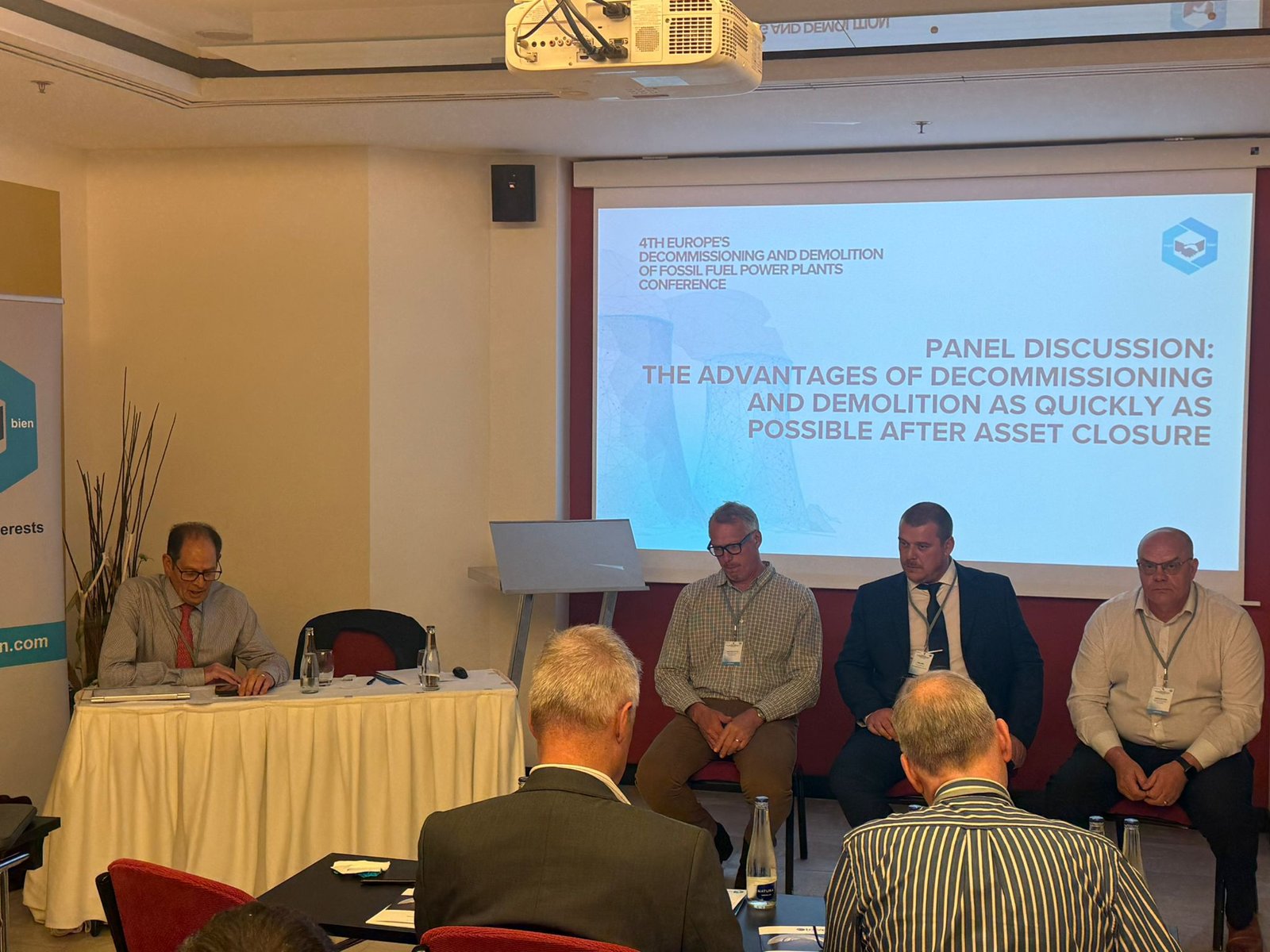
Power Plant Decommissioning Conferences & Industry Events
Power Plant Decommissioning Conferences & Industry Events
Why Industry Events Matter
Competitors include:
Cooperating with contractors, utilities and regulators
Case study presentations from decommissioned sites
Top Europe Events to Attend
One of Europe’s most notable industry meetings is the 5th World Fossil Fuel Power Plant Decommissioning & Demolition Forum in Berlin, Germany, on closures, demolition and redevelopment.
FESTIVAL: 5th World Fossil Fuel Power Plant Decommissioning & Demolition Forum Held in Berlin, Germany – Registration, sponsor packages, technical presentations, and exhibitor opportunities.
New digital technology and automation have driven the growth of European B2B marketplace platforms, smart retail, and the rise of new digital tools and automation.
This sector is in the centre of Mon Bien Events European B2B conferences and summits.
Medical device safety, material testing, regulatory updates and risk analysis are all important events. It scours the globe for professionals preparing to meet new EU standards.
This summit is focused on safe demolition, environmental protection, cost control, and future energy strategies. It is ideal for demolition leaders and energy companies.
FAQs
Approximately how long does it take to decommission a nuclear power plant?
If there is no immediate dismantling, then there are 10 – 30 years of immediate dismantling or 50 or more years of deferred dismantling.
How much does it cost?
Each of these costs ranges from hundreds of millions to several billion dollars, depending on size, contamination, and waste disposal routes.
Why is Germany shutting down nuclear power plants?
In the aftermath of Fukushima, its post-Fukushima safety policy, the transition to renewable energy, political decisions and long-term waste concerns — all contributing to germany decommissioning nuclear power plants.
What are the three decommissioning strategies?
Immediate dismantling, deferred dismantling (SAFSTOR) and entombment.
What happens to radioactive waste?
It is classified, packaged and shipped to licensed temporary or final disposal facilities according to national regulations.
TESTIMONIALS
What People Say About Us
Our clients share their experiences – honest feedback that reflects trust, impact, and satisfaction.