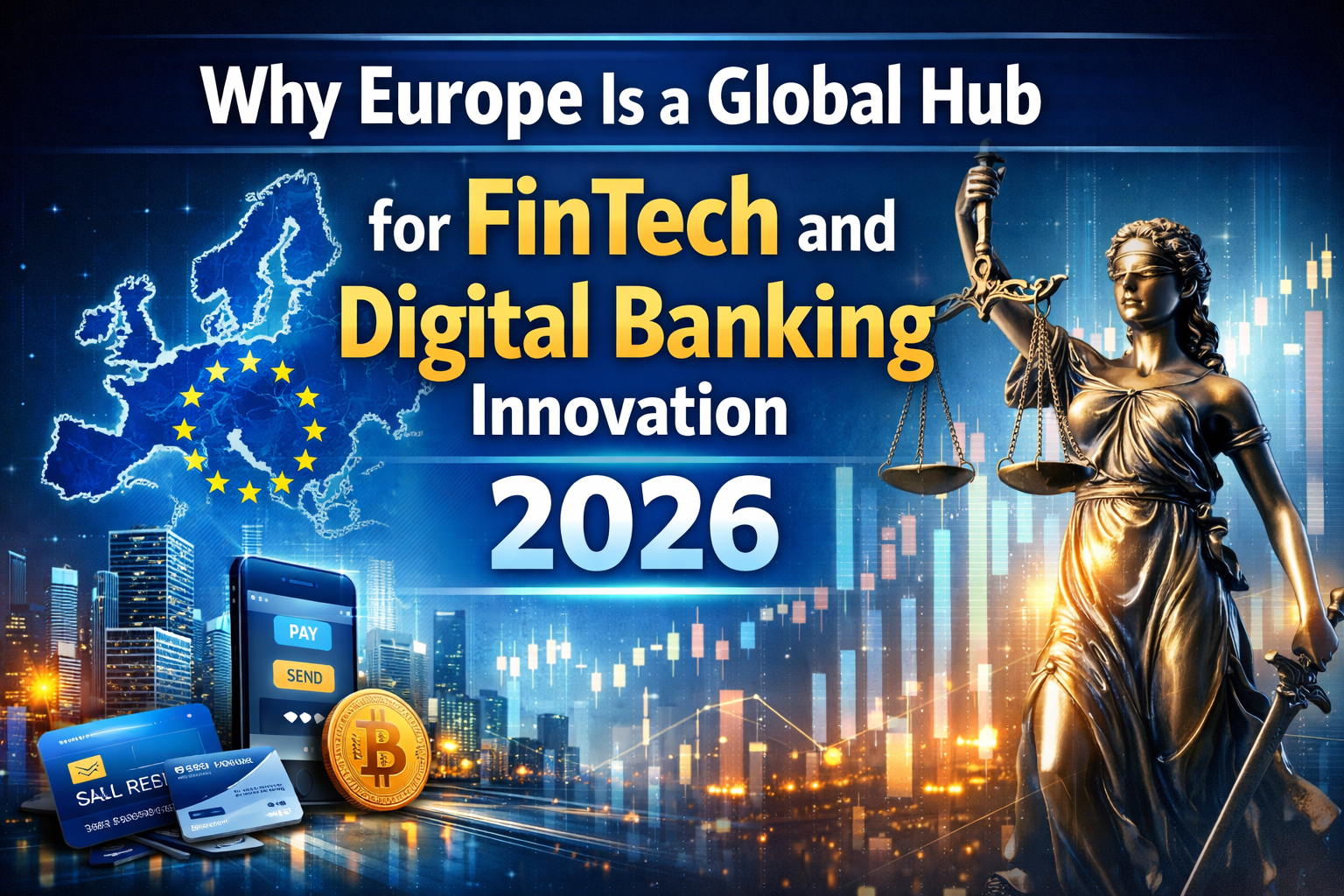
Why Europe Is a Global Hub for FinTech and Digital Banking Innovation 2026
Introduction
Europe, through regulation, technological innovations and cross-border financial integration, has become a world-class centre for FinTech and digital banking innovation. FinTech and digital banking innovation in Europe have been developing over the last few years, notably as financial institutions, startups and regulators have developed common digital standards and consumer-centric models.
Unlike most fragmented markets, Europe is a market-based, though innovation-friendly, space in which financial technology can grow responsibly. Open banking and data protection laws have led to increased transparency and competition, while consumers continue to show greater trust in digital finance. Plus, the differing economies of Europe encourage experimentation in payment, lending, wealth management, and embedded finance.
With deep talent pools, an innovative digital infrastructure, and open cross-border collaboration, Europe has become a testing ground for the next-generation financial services. The region, if its approach to innovation and compliance is balanced towards 2026, is already a long-term leader in the global transformation of financial services.
The European fintech market is one of the oldest and most diverse in the world. Thousands of fintech firms operate in payments, digital banking, insurtech, regtech and wealth management to consumers and businesses. Institutional capital, venture capital and high levels of public-private collaboration have fuelled investment activity, but they have been highly resilient.
The European fintech ecosystem includes major financial hubs which complement each other. The UK is also leading in payments and digital banking innovation, Germany leads in enterprises and B2B fintech solutions, the Nordics are leading in cashless payments and digital identity, and France is developing a centre for fintech scale-ups and regulatory innovation.
Strong digital literacy, high smartphone penetration and use of online services provide growth. All these factors produce a stable, yet dynamic environment in which fintech innovations can transnationally scale quickly and efficiently.
Regulatory Frameworks Enabling FinTech Innovation in Europe
In Europe, regulation creates opportunities for innovation rather than constraining it. PSD2 and open banking have changed the way in which financial data is accessed and shared, allowing newcomers to build secure and customer-centred services on existing banking infrastructure.
Clear licensing regimes and more harmonised rules across jurisdictions reduce uncertainty for fintech firms operating across countries. GDPR has built consumer trust with robust data protection and transparency, while regulatory sandboxes allow startups to test their solutions under the supervision of regulatory authorities.
This consistency and clarity attract global fintech players looking for predictable compliance. The regulators of Europe balance innovation, competition and consumer protection, building a period of long-term confidence in investors, institutions and technology providers.
Digital Banking Adoption Across European Markets
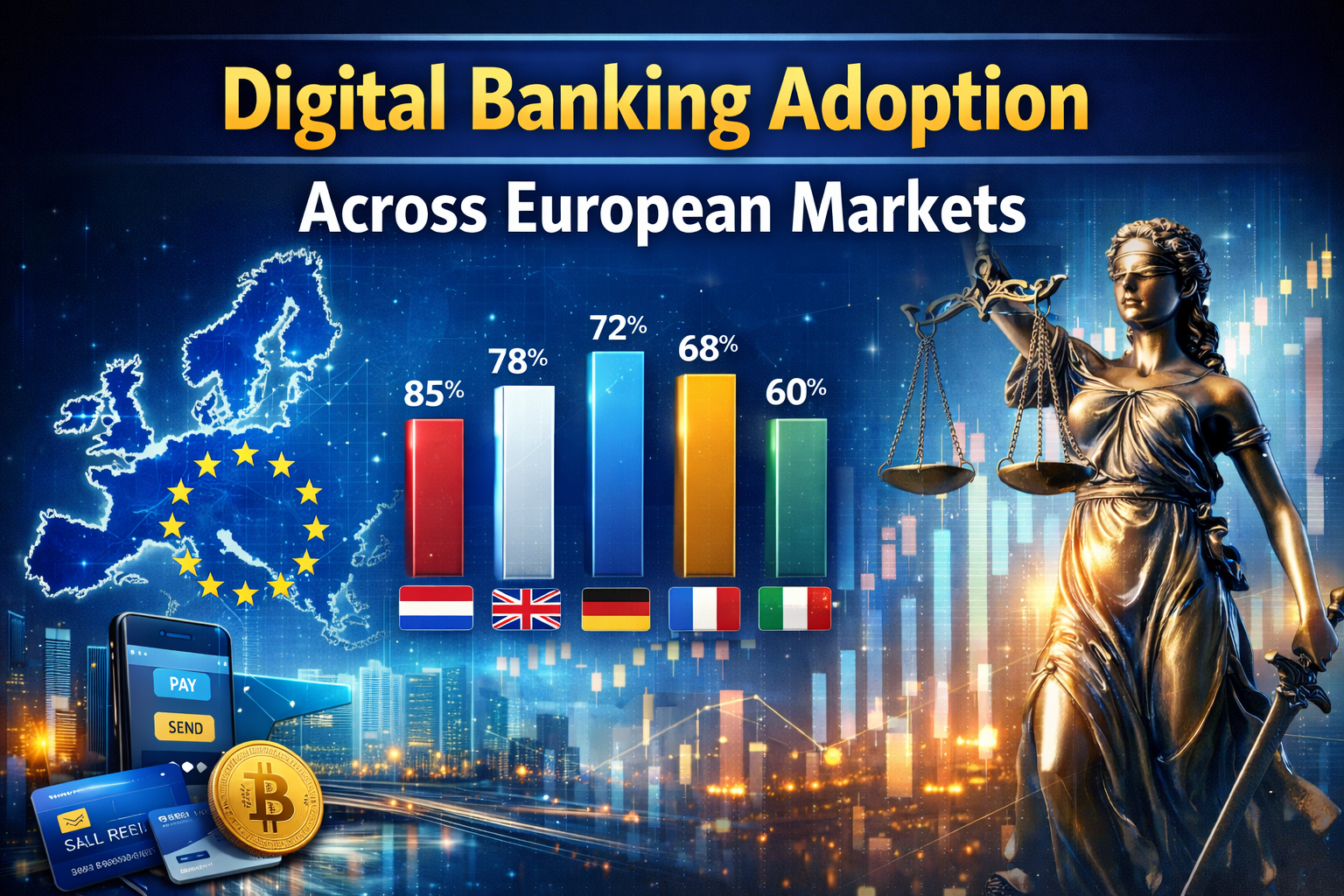
Europe’s consumer and business renaissance towards online banking is a growing trend in the sector. Today, neobanks and digital-first institutions are serving millions of consumers via mobile-first services, real-time information, and low operating costs.
SMEs and their suppliers increasingly turn to the digital banking system for payments, credit and cash flow management. Europeans are also very welcoming of mobile banking, contactless payments and app-based financial services, driven by convenience and transparency.
Traditional banks responded by rapidly accelerating digital change, using fintech firms and modernising core systems. This broad adoption across retailers and business segments bolsters Europe’s leadership in digital financial services.
Payments, Open Banking, and Embedded Finance Ecosystem
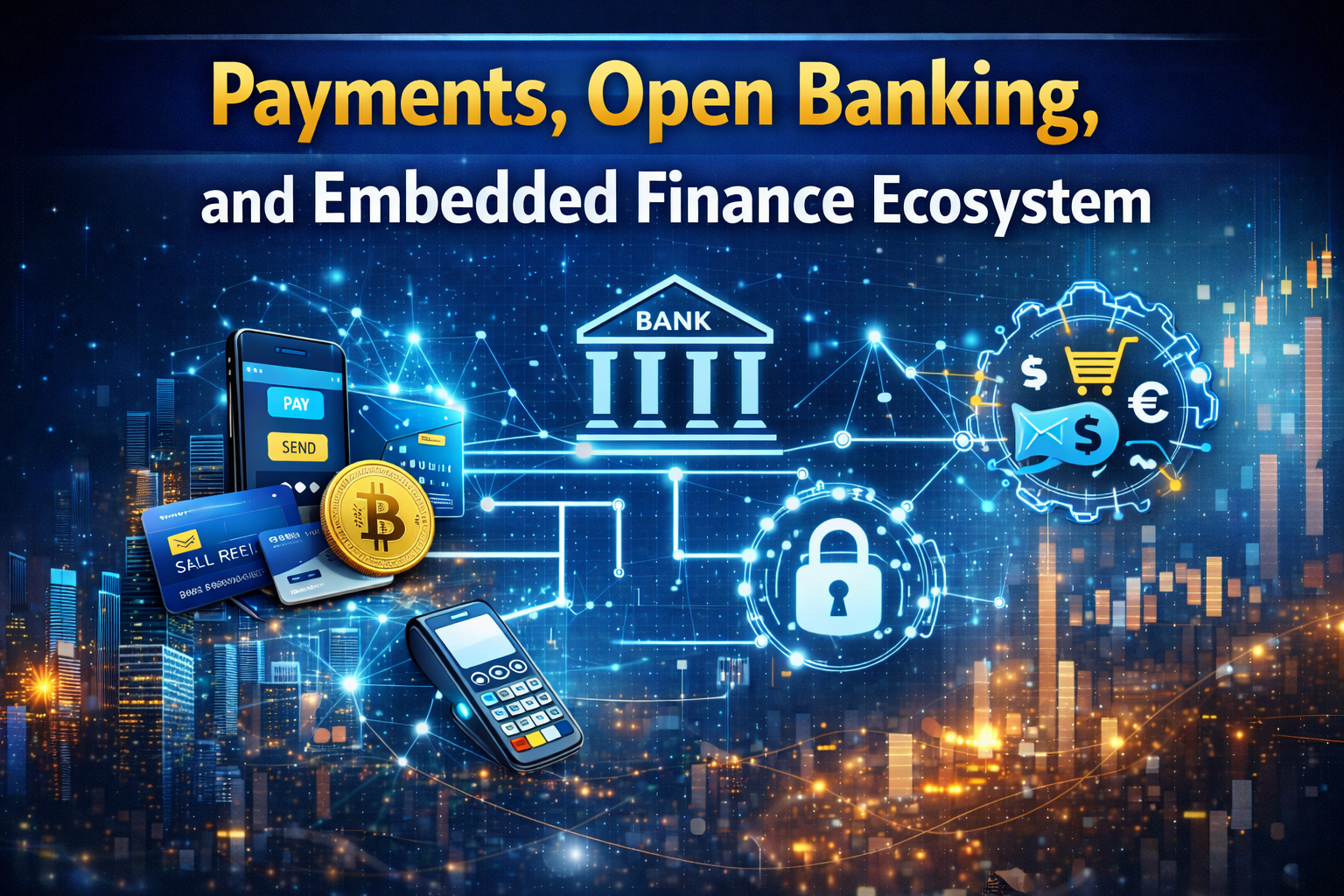
Europe is home to one of the world’s most advanced digital payments ecosystems. Digital wallets and buy now, pay later are popular online and offline payment technologies. The electronic payment infrastructure continues to grow and ensure the seamless exchange of money in multiple currencies and markets.
Open Banking Europe is at the centre of this change. Secure APIs enable third-party providers to access financial information with customers’ consent and enable innovation in budgeting tools, lending, and embedded finance. Financial services are becoming a direct part of the online shopping experience for customers.
Digital payments Europe has thus been a hotbed of innovation for fintech, retail, and financial services, thereby strengthening the region’s tightly integrated digital economy.
Cybersecurity, Compliance, and Trust as Competitive Advantages
The European fintech sector is at the forefront of its competitive edge as regards trust. Strong cybersecurity standards, sophisticated fraud detection processes and strict compliance policies protect both institutions and consumers. Financial institutions invest heavily in risk management, data encryption and identity verification products.
Consumer protection under regulation creates a sense of transparency and accountability across digital finance platforms. This security and compliance orientation helps to reduce the risk to the system and bolsters users’ confidence in digital services.
Europe has created a fintech ecosystem that enables innovative new technologies to grow safely and sustainably by focusing on trust over innovation.
Role of FinTech and Digital Banking Summits in Driving Innovation
FinTech and digital banking summits have a major impact on Europe’s financial innovation landscape. These meetings bring regulators, banks, technology companies and start-ups together to exchange information and discuss new issues.
Conferences allow discussion on regulation, cybersecurity, payments and digital transformation and enable partnerships and collaboration. As a result, Europe is becoming host to world-class fintech and digital banking events that have a significant impact on policy, strategy, and innovation in this sector.
These platforms also help knowledge sharing and better align stakeholders around the future of financial services.
The global fintech companies see Europe as a promising growth market for them due to its size, regulatory stipulations and access to skilled workers. The single regulatory regime enables firms to operate across borders, thereby limiting entry into markets.
Europe is more border-harmonised than the US. Compared to parts of Asia, it is more consistent in terms of consumer protection and data governance. The attractiveness of Europe is further enhanced by deep capital markets, advanced infrastructure, and strong institutional relations.
These factors make Europe a particularly attractive location for long-term fintech development and global expansion.
Future Outlook of FinTech and Digital Banking in Europe
Artificial intelligence, automation, digital identity systems and central bank digital currencies will shape the future of fintech in Europe. Sustainability and ESG-driven finance will also become a key component in product design and investment decision-making.
Data analytics and machine learning will enhance personalisation, risk agnosis and efficiency. Europe’s regulatory preparedness and collaborative ecosystem are ideally suited to adopt these technologies responsibly.
In this spirit of innovation, Europe will continue to dominate the global digital finance next generation.
FAQs
Why is Europe important for fintech innovation?
Europe offers the best combination of regulatory clarity, advanced digital infrastructure and consumer trust. This balance is one that allows fintech firms to innovate ethically and scale across markets.
What regulations support fintech growth in Europe?
Regulations that improve competition and protect consumers include PSD2, open banking, GDPR and harmonised licensing regimes.
Which countries lead digital banking in Europe?
As a result of strong infrastructure, regulation, and increased digital engagement among consumers, the UK, Germany, France, and the Nordic countries are the top three adopters of digital banking.
How does open banking impact European fintech?
Open Banking provides a means of secure sharing of data by using APIs that allow fintech companies to develop new financial products and services across platforms.
What is the future of fintech in Europe?
Europe’s fintech future will also include AI-based services, digital identity, sustainable finance, and more cross-border collaboration supported by increased regulation.
Conclusion
Europe is still an international leader in FinTech and Digital Banking because of its unique combination of innovation, regulation, and trust. A secure regulatory environment helps to accommodate experimentation while ensuring consumer protection, and cross-border collaboration provides flexible financial solutions. A strong digital economy, efficient payment systems, and a focus on cybersecurity further position Europe.
As financial technology continues to evolve, Europe’s balance puts it at the heart of fintech development across the world. Given the sustained efforts of regulators, institutions and innovators, the region could well enter into the future of digital finance well beyond 2026.
TESTIMONIALS
What People Say About Us
Our clients share their experiences – honest feedback that reflects trust, impact, and satisfaction.